
What Is Inflammation in the Body?
Understanding the Link Between Inflammation and Autoimmune Disease
I’ve spent many years studying inflammation and autoimmune disease, and this topic is deeply personal to me. Understanding the connection between inflammation and immune dysfunction was a major part of what helped me overcome my own autoimmune diagnosis of Lupus (SLE). If you’re curious, you can see a bit of that journey on the About page, where I share my before-and-after photos.
These are the kinds of discussions I can’t get enough of. I’ll be honest…some of the terminology in this post may feel a little overwhelming if you haven’t explored this subject before. I remember feeling the same way when I first started learning about it.
Over the years, I’ve had the privilege of studying alongside incredible immunologists and cellular health doctors, and those experiences helped me truly understand what’s happening beneath the surface when inflammation becomes chronic.
My hope is that this post helps make these concepts easier to understand, because when you begin to understand how inflammation really works in the body, it can completely change how you approach your health.
Inflammation itself isn’t bad. In fact, it is one of the body’s most important protective responses. Inflammation is a complex biological process involving immune cells, signaling molecules, and blood vessels that helps defend the body against infection and repair damaged tissue.
When inflammation works correctly, it helps the body heal.
But when inflammation becomes chronic and unresolved, it can contribute to many modern health conditions, including autoimmune disease.
Understanding how inflammation works is the first step toward supporting long-term health.
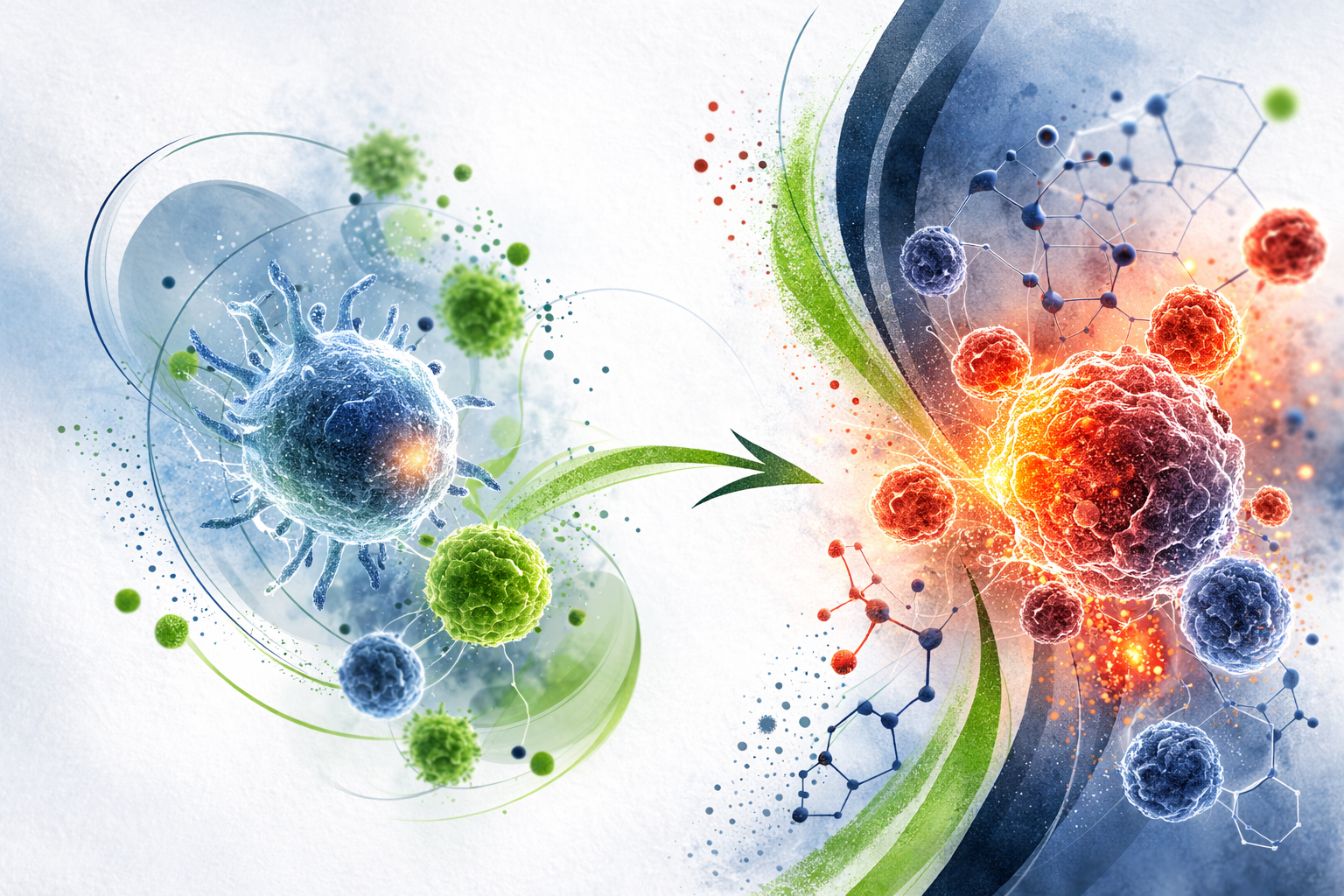
Acute vs Chronic Inflammation
To understand inflammation in the body, it helps to look at the two main types.
Acute Inflammation (The Helpful Kind)
Acute inflammation is a short-term, necessary response that occurs when the body detects injury, infection, or tissue damage.
Examples include:
a virus or bacterial infection
a cut or injury
a sprained ankle
tissue damage from stress or trauma
During acute inflammation, the immune system sends immune cells to the affected area to eliminate pathogens and begin the repair process.
Once the threat is removed, the inflammatory response resolves and the body returns to balance.
Chronic Inflammation
Chronic inflammation occurs when the inflammatory response persists for weeks, months, or even years.
Instead of resolving, the immune system continues producing inflammatory signals.
Over time, chronic inflammation can contribute to many conditions, including:
cardiovascular disease
metabolic disorders
diabetes
neurodegenerative diseases
autoimmune disease
Many modern lifestyle and environmental factors can contribute to chronic inflammation, including stress, diet, toxins, infections, and metabolic imbalance.
How the Immune System Detects Inflammation
Your immune system is constantly monitoring the body for danger signals.
Two important signals that activate inflammation are called PAMPs and DAMPs.
When studying this concept years ago, I repeated those words out loud with a little Texas-style emphasis just to help them stick in my brain. It worked!
PAMPs (Pathogen-Associated Molecular Patterns)
PAMPs are signals that come from pathogens such as bacteria, viruses, and fungi.
When the immune system detects these signals, it activates inflammation to eliminate the invading organism.
DAMPs (Damage-Associated Molecular Patterns)
DAMPs are signals released from the body’s own cells when they are damaged or stressed.
For example, when cells experience metabolic stress or injury, they release molecules that alert the immune system that something is wrong.
Interestingly, mitochondria…the energy-producing structures inside our cells — can release DAMP signals when they become dysfunctional. Because mitochondria evolved from ancient bacteria, the immune system recognizes these signals as danger.
This means inflammation can occur even when there is no infection present. And why it’s so important for you to learn this stuff!
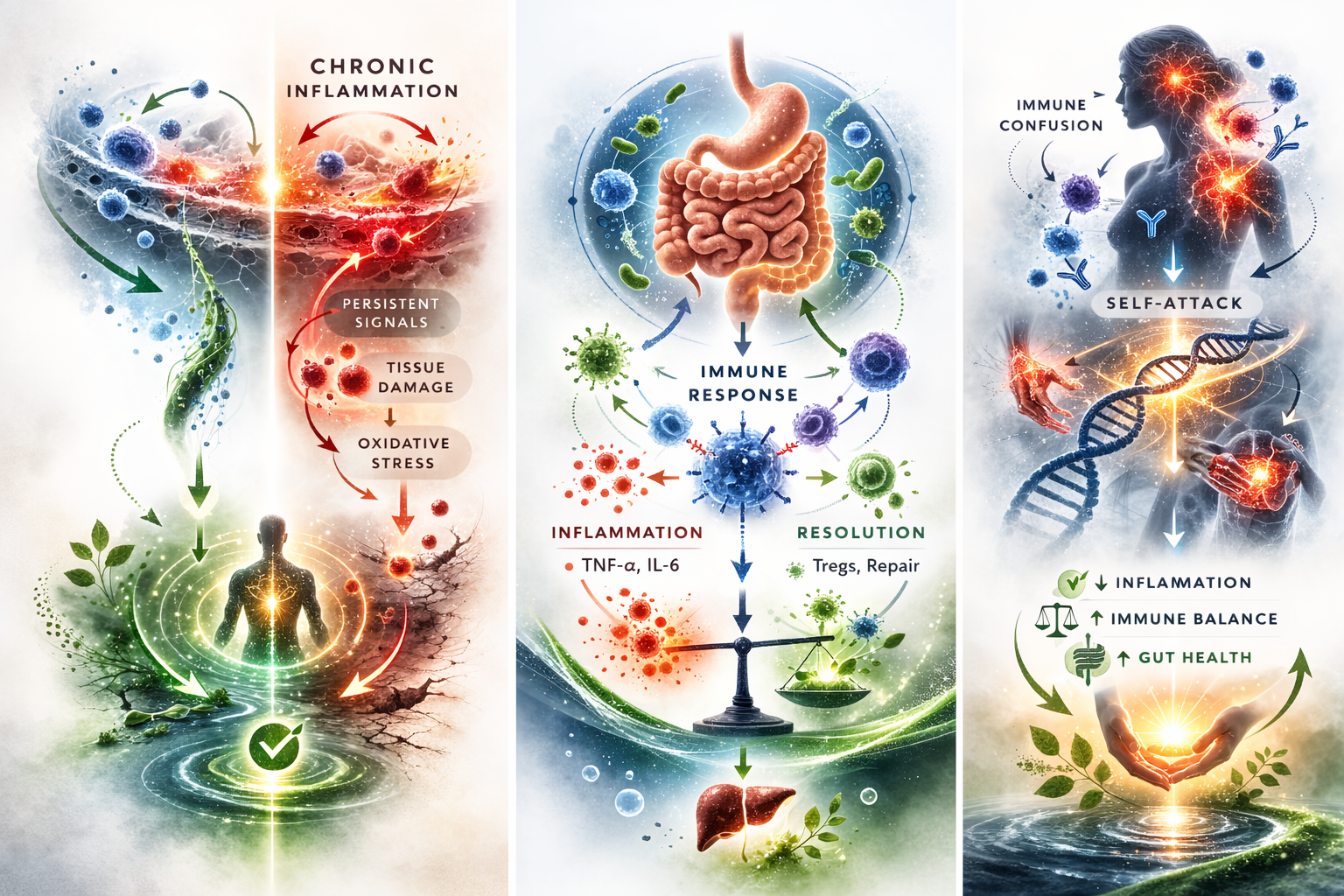
What Happens During the Inflammatory Response
When inflammation is triggered, the body initiates a coordinated immune response.
The process typically follows this sequence:
Danger signals are detected (PAMPs or DAMPs)
Neutrophils enter the tissue to neutralize threats
Neutrophils engulf pathogens or debris through phagocytosis
Neutrophils undergo programmed cell death (apoptosis)
Monocytes enter the tissue and transform into macrophages
Macrophages clear remaining cellular debris
The lymphatic system removes inflammatory waste and completes resolution
The final step, lymphatic drainage and resolution of inflammation, is critical for restoring balance in the body.
If this resolution process is impaired, inflammation can persist and become chronic.
Causes of Chronic Inflammation
Many factors can trigger or sustain chronic inflammation in the body.
Common contributors include:
chronic stress
blood sugar instability
poor sleep
environmental toxins
infections
gut microbiome imbalance
nutrient deficiencies
sedentary lifestyle
Over time, repeated exposure to these stressors can keep the immune system activated.
The Connection Between Inflammation and Autoimmune Disease
Research increasingly shows that chronic inflammation plays a central role in autoimmune disease.
In autoimmune conditions, the immune system becomes dysregulated and mistakenly targets the body’s own tissues.
But autoimmune disease rarely develops suddenly.
More often, it emerges after years of:
persistent inflammation
immune stress
gut dysfunction
environmental triggers
metabolic imbalance
Supporting the body’s ability to regulate inflammation and restore immune balance can significantly help reduce flare frequency and improve overall resilience.
How to Reduce Inflammation Naturally
There are several lifestyle strategies that support healthy inflammatory balance:
eating a nutrient-dense, anti-inflammatory diet
stabilizing blood sugar levels
supporting gut health and microbiome diversity
prioritizing sleep and circadian rhythm
managing stress
incorporating regular movement
supporting lymphatic circulation
consuming antioxidant and polyphenol-rich foods
These foundational habits help the body maintain immune balance and reduce inflammatory burden.
Living With Autoimmune Disease?
If you are living with an autoimmune condition, or suspect chronic inflammation may be affecting your health… you are not alone.
Autoimmune conditions often reflect a body under prolonged physiological strain.
At WellBuilt, we focus on helping individuals support the biological foundations of health, including inflammation regulation, metabolic balance, gut health, and immune resilience. We have very strategic & effective strategies that work.
If you are navigating autoimmune symptoms and would like guidance, we would love to support you.
